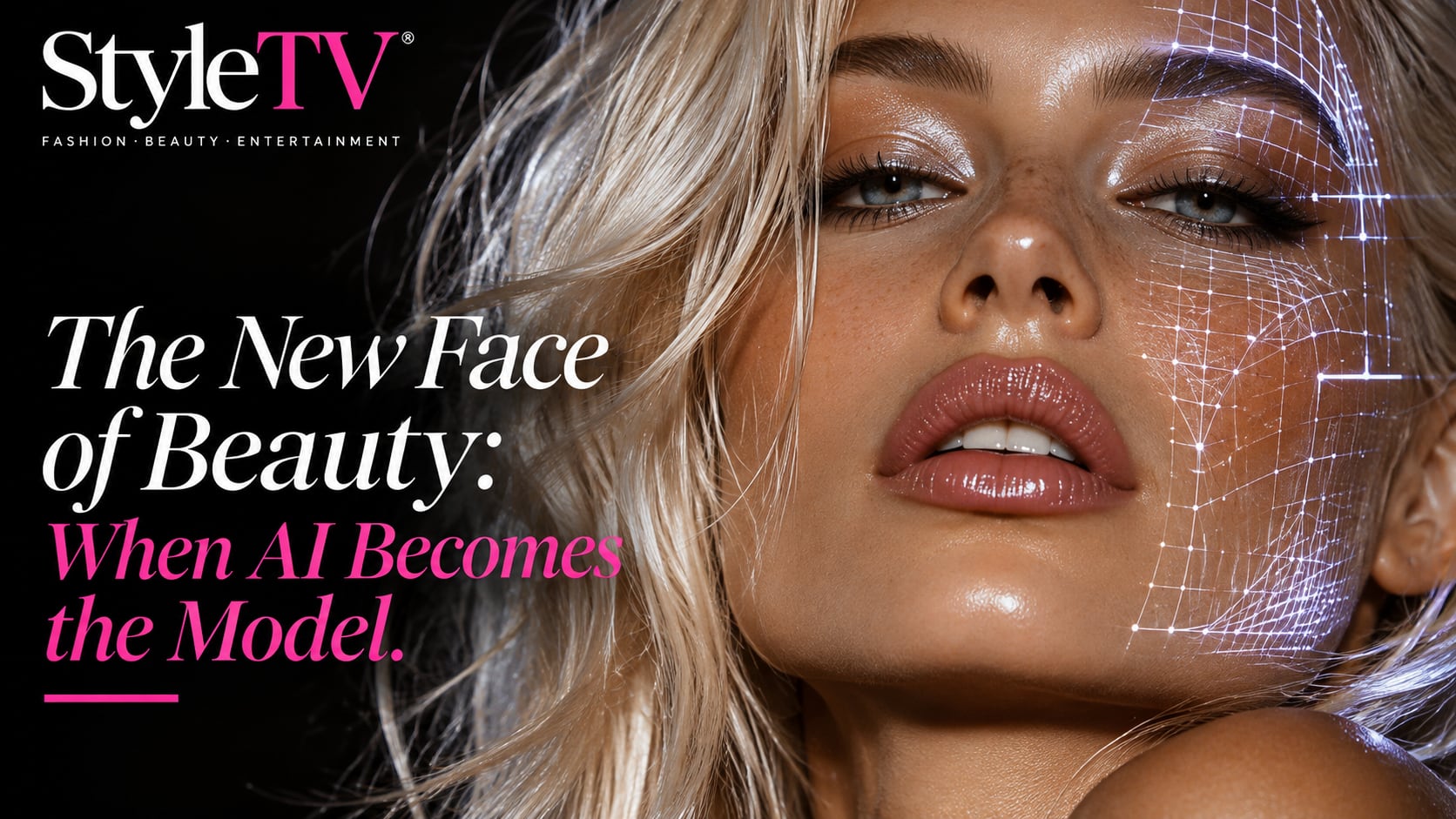
The New Face of Beauty: When AI Becomes the Model
The next beauty icon might never have stepped in front of a camera. She might never have existed at all.
Perfect skin. Impossibly good lighting. A wardrobe that never wrinkles. And a face that can appear in Tokyo, Paris and New York without catching a flight. Meet the virtual model: part character, part creative production, and increasingly part of the business of beauty.
The face is fictional. The business is real.
Virtual influencers aren’t all built the same way. Some are meticulously designed computer-generated characters; others are produced using generative AI. Lil Miquela became an early star of the category, mixing music, fashion and a carefully managed online persona. Shudu, created by photographer Cameron-James Wilson, brought a striking digital face into conversations about luxury fashion and representation. Aitana López, developed by Barcelona agency The Clueless, shows how a synthetic personality can be marketed as a fashion and lifestyle influencer.
The people behind these characters are very real: designers, writers, art directors, animators, marketers and agencies. A virtual model doesn’t wake up and choose a lipstick. Someone chooses it for her.
Why brands are paying attention
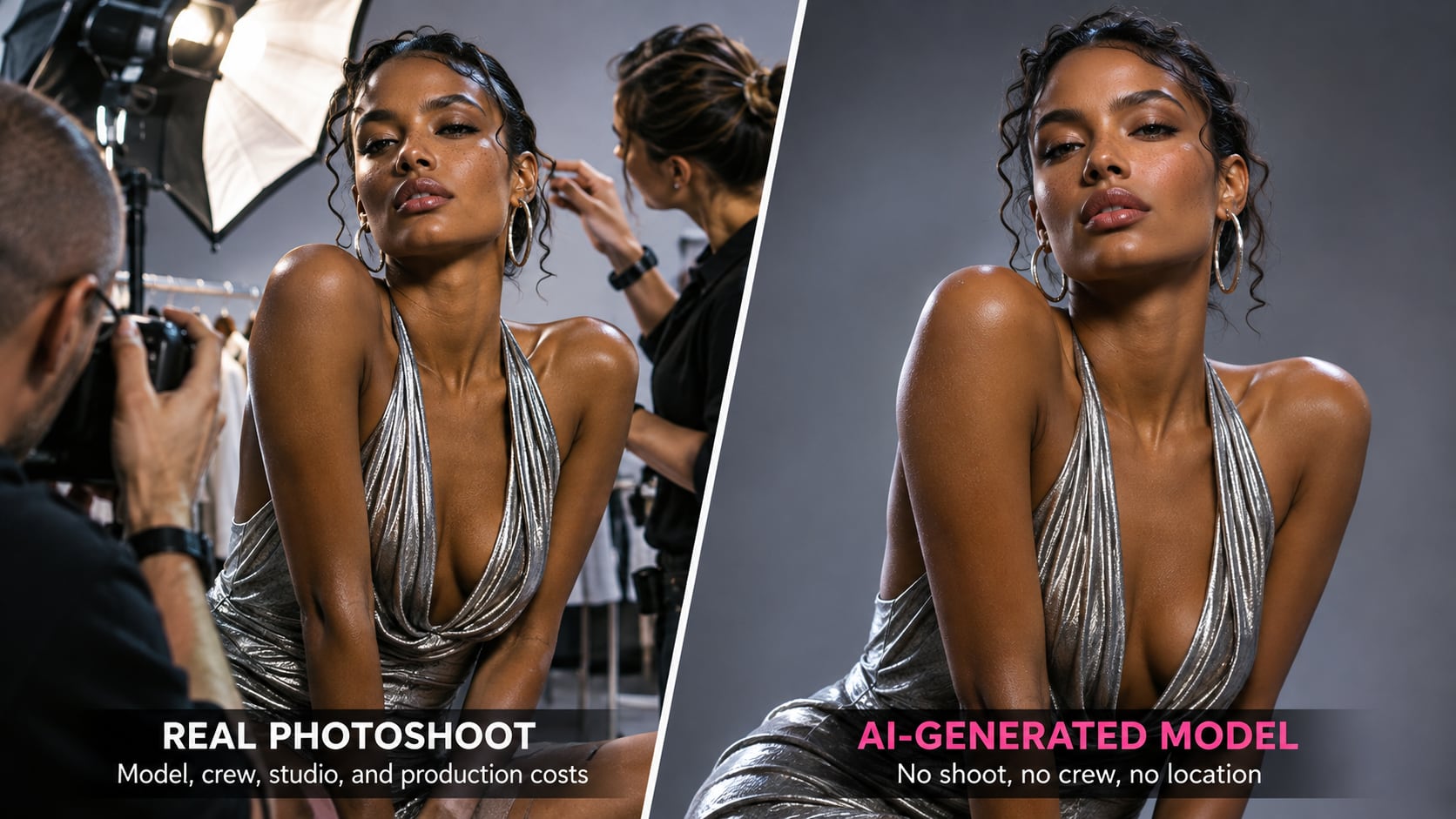
A digital face can be adapted to a campaign without the logistics of a traditional photo shoot. Wardrobes, backgrounds and even the visual identity of the character can change quickly. Brands gain creative control, while smaller studios gain access to imagery that once required substantial production budgets.
But cheap and convenient aren’t the same as convincing. Beauty advertising has always sold aspiration. Synthetic beauty can turn that dial so far that the result stops resembling any human face at all.
Perfect is getting boring
Beauty photography has always involved illusion: lighting, styling, retouching and carefully chosen angles. Generative AI takes that tradition further: the subject herself can be invented from scratch. That freedom can produce extraordinary art, but it can also flatten beauty into a parade of suspiciously similar faces. When every pore disappears and every proportion is adjustable, imperfection starts looking less like a flaw and more like a signature.
And a synthetic image isn’t automatically effortless. Art direction, consistency, editing, licensing and quality control still require human judgment. The tools may change the budget, but they don’t eliminate the need for taste.
The uncomfortable mirror
There are real questions about whose work gets displaced when a campaign uses an artificial model instead of hiring a person. And there are sharper questions about diversity. A brand can generate a hundred different faces on a screen without opening a single door for an underrepresented human model.
There is another possibility, too: a working model could license a digital twin with consent, creative control and compensation. The distinction matters. Technology that expands a person’s opportunities is not the same as technology that quietly replaces them.
A real model, two kinds of image
For a glimpse of how these worlds can overlap, consider Yaroslavna, a model represented through both traditional photography and AI-created imagery. The difference isn’t simply what technology can produce; it’s that a real person exists behind the likeness, with a career and identity beyond the image. See more at Yaroslavna.net.
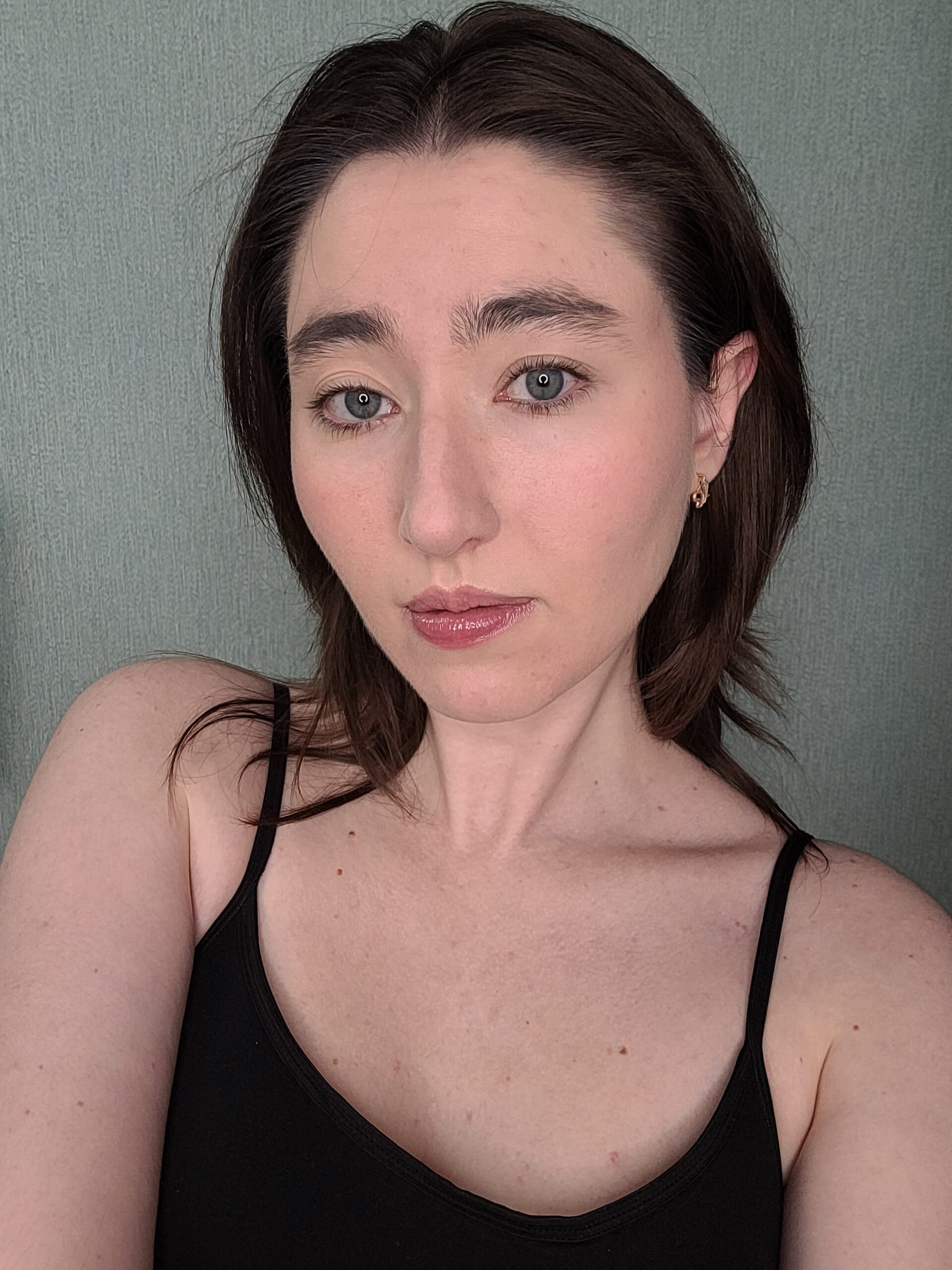
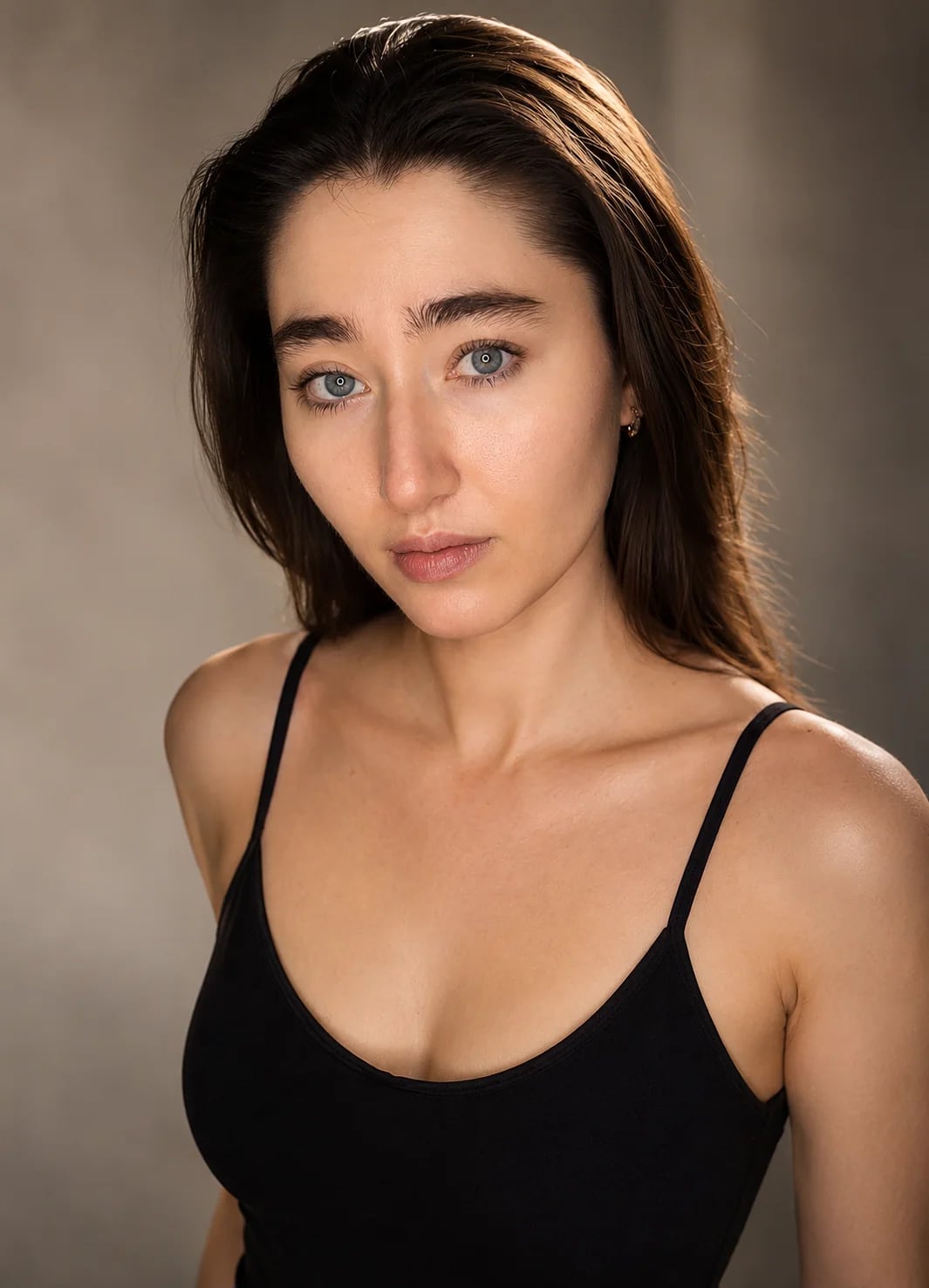
For models, this raises a practical question: can digital representations become another creative tool—one used transparently and with the subject’s consent—rather than a substitute for the person?
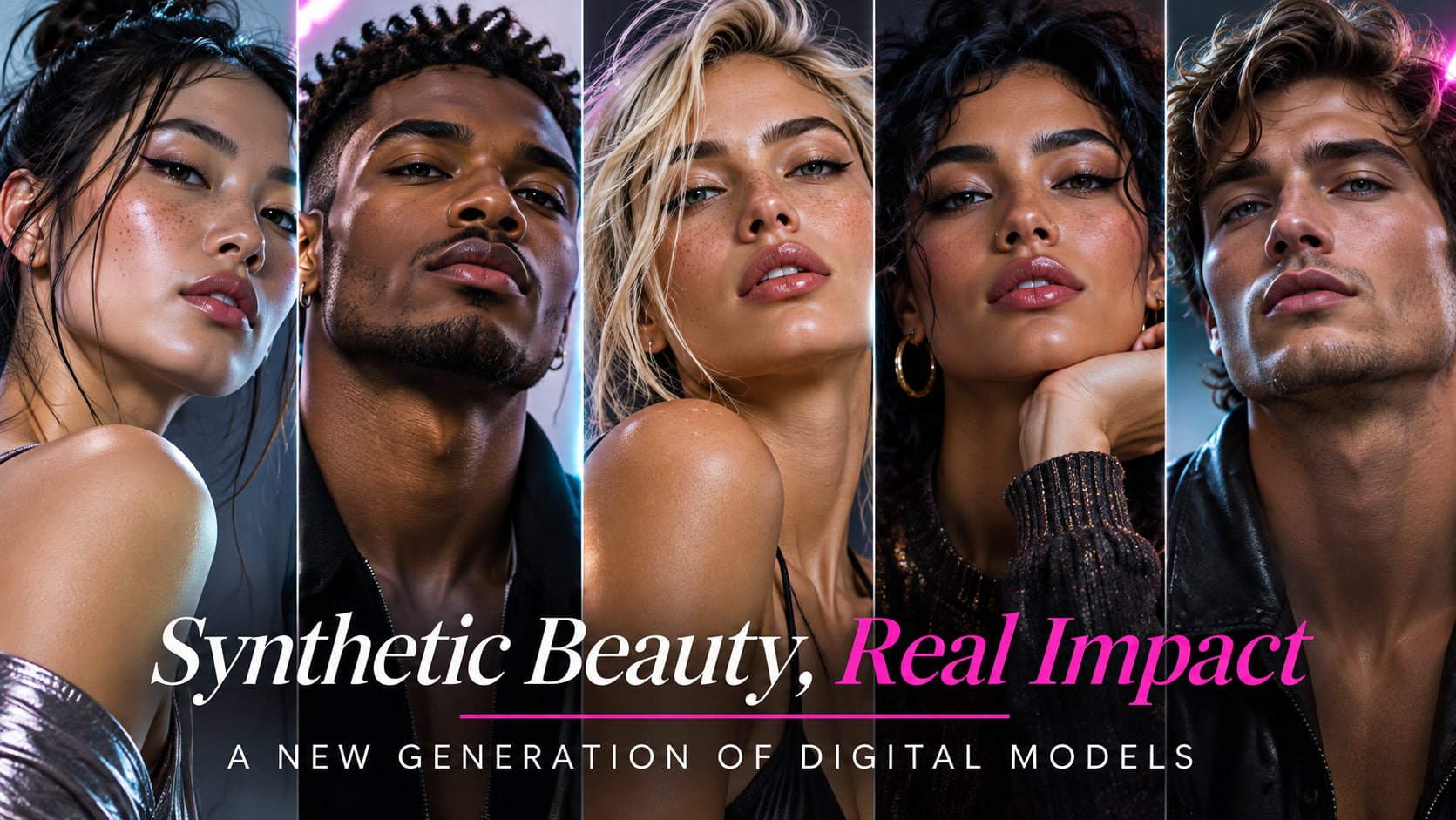
Can a fictional face sell authenticity?
Here is the delicious contradiction. Influencer marketing depends on a sense of personal connection. Yet a synthetic influencer has never worn the shoes, felt the fabric or tested the moisturizer she’s promoting. The audience may enjoy the fantasy, but a fictional experience should never be passed off as a real testimonial.
Advertising disclosure matters here. The U.S. Federal Trade Commission’s updated endorsement guidance explicitly addresses virtual influencers and deceptive endorsements. A synthetic character isn’t a free pass to conceal sponsorship or mislead an audience.
StyleTV’s take: make art, not illusions about reality
We love an audacious visual idea. We love a character with personality. And we have no problem with a digital supermodel owning the spotlight—provided the audience knows what it’s looking at and the humans whose work or likenesses are involved are treated fairly.
The future of beauty doesn’t have to be a contest between real women and rendered ones. The most exciting work may come from artists who use both, openly and imaginatively. The question isn’t whether an AI model can look beautiful. Of course she can. The question is what—and whom—we choose to value when beauty becomes infinitely editable.
So tell us: would you follow a virtual influencer? And would knowing she isn’t real change what you’d buy?
Further reading
Simon Fraser University: Digital clones of real models · Associated Press: AI-generated models and diversity · FTC: Updated endorsement guides


